
The MIMEDX Advantage
We improve people’s health and lives through innovation that delivers solutions for patients and caregivers. With a wide variety of advanced tissue configurations, clinicians can choose the product that best meets their treatment objectives.

Our Products
Click the toggle below to view our product solutions by:
Advanced Wound Solutions
Acute and chronic wounds may benefit from advanced interventions with the goal of rebalancing the wound bed, facilitating normalization of the healing cascade. MIMEDX allografts have demonstrated clinical and cost effectiveness in multiple randomized controlled trials (RCTs), and they are appropriate for comorbid patients with challenging wounds.1-12


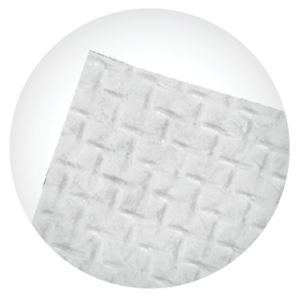
EPIFIX is a dehydrated human amnion/chorion membrane (DHACM) allograft that provides a barrier. EPIFIX protects the wound bed to aid in the development of granulation tissue and provides a human biocompatible extracellular matrix (ECM).
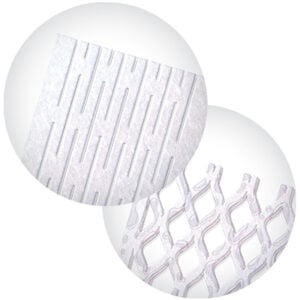

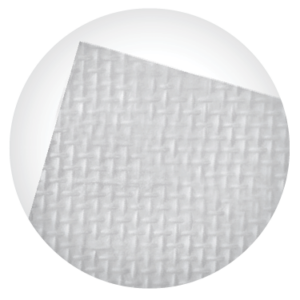
EPICORD is a dehydrated human umbilical cord (DHUC) allograft that provides a protective environment and is comprised of an ECM of Hyaluronic Acid (HA) and collagen. As a primary component in the umbilical cord, natural HA hydrates and reinforces collagen, forming a reinforced matrix to support the wound healing cascade.
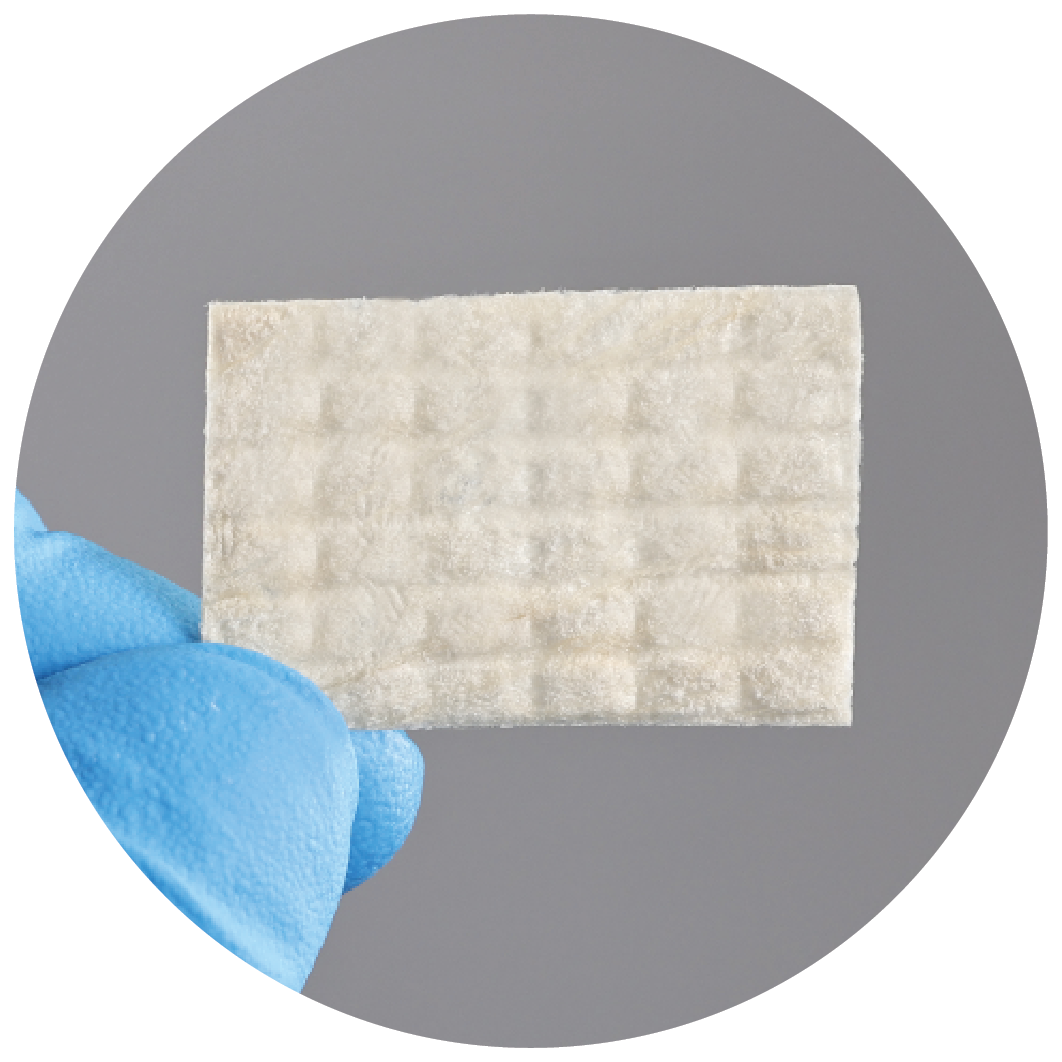

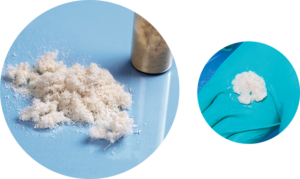
EPIEFFECT is a lyophilized human placental-based allograft membrane that includes the amnion layer, intermediate layer, and chorion layer. EPIEFFECT is intended for use as a barrier to provide a protective environment in acute and chronic wounds.
Wound Product Advantages
| EPIFIX | EPICORD | EPIEFFECT | |
| Provides protective barrier to support healing cascade | ✓ | ✓ | ✓ |
| Protects the wound bed to aid in the development of granulation tissure | ✓ | ✓ | ✓ |
| Provides a biocompatible ECM | ✓ | ✓ | ✓ |
| Shelf-stable* with a 5-year shelf life | ✓ | ✓ | ✓ |
| Terminally sterilized | ✓ | ✓ | ✓ |
| Easy to apply | ✓ | ✓ | ✓ |
Our Product Performance and Supporting Evidence Has Enabled Best-in-Class Payer Insurance Covereage
| DIABETIC FOOT ULCER | VENOUS LEG ULCER | |
| UnitedHealthcare | EPIFIX |
|
| Aetna | EPIFIX EPICORD |
EPIFIX |
| Cigna | EPIFIX | EPIFIX |
| Humana | EPIFIX |
|
| Anthem | EPIFIX EPICORD |
EPIFIX |
| State Blue Cross Blue Shield | EPIFIX EPICORD |
|
| VA Community Care Network: Optum & TriWest FSS, MSPV, IDIQ & DAPA coverage | EPIFIX EPICORD |
EPIFIX EPICORD |
100% National Payer Coverage for DFUs
> 30,000 Annual Insurance Verification Requests (IVRs Processed)
97% Covered IVRs When Medicare is Primary
88% Appeal Success Rate
On-Demand Education Available
References
- Zelen CM, Serena TE, Denoziere G, Fetterolf DE. A prospective randomised comparative parallel study of amniotic membrane wound graft in the management of diabetic foot ulcers. Int Wound J. 2013;10(5):502-507.
- Zelen CM. An evaluation of dehydrated human amniotic membrane allografts in patients with DFUs. J Wound Care. 2013;22(7):347-351.
- Zelen CM, Serena TE, Fetterolf DE. Dehydrated human amnion/chorion membrane allografts in patients with chronic diabetic foot ulcers: A long-term follow-up study. Wound Medicine. 2014;4:1-4.
- Zelen CM, Serena TE, Snyder RJ. A prospective, randomised comparative study of weekly versus biweekly application of dehydrated human amnion/chorion membrane allograft in the management of diabetic foot ulcers. Int Wound J. 2014;11(2):122-128.
- Zelen CM, Gould L, Serena TE, Carter MJ, Keller J, Li WW. A prospective, randomised, controlled, multi-centre comparative effectiveness study of healing using dehydrated human amnion/chorion membrane allograft, bioengineered skin substitute or standard of care for treatment of chronic lower extremity diabetic ulcers. Int Wound J. 2015;12(6):724 -732.
- Zelen CM, Serena TE, Gould L, et al. Treatment of chronic diabetic lower extremity ulcers with advanced therapies: a prospective, randomised, controlled, multi-centre comparative study examining clinical efficacy and cost. Int Wound J. 2016;13(2):272-282.
- Tettelbach W, Cazzell S, Reyzelman AM, Sigal F, Caporusso JM, Agnew PS. A confirmatory study on the efficacy of dehydrated human amnion/chorion membrane dHACM allograft in the management of diabetic foot ulcers: A prospective, multicentre, randomised, controlled study of 110 patients from 14 wound clinics. Int Wound J. 2019;16(1):19 -29.
- Serena TE, Carter MJ, Le LT, Sabo MJ, DiMarco DT; EpiFix VLU Study Group. A multicenter, randomized, controlled clinical trial evaluating the use of dehydrated human amnion/chorion membrane allografts and multilayer compression therapy vs. multilayer compression therapy alone in the treatment of venous leg ulcers. Wound Repair Regen. 2014;22(6):688-693.
- Bianchi C, Cazzell S, Vayser D, et al. A multicentre randomised controlled trial evaluating the efficacy of dehydrated human amnion/chorion membrane (EPIFIX® ) allograft for the treatment of venous leg ulcers. Int Wound J. 2018;15(1):114-122.
- Bianchi C, Tettelbach W, Istwan N, et al. Variations in study outcomes relative to intention-to-treat and per-protocol data analysis techniques in the evaluation of efficacy for treatment of venous leg ulcers with dehydrated human amnion/chorion membrane allograft. Int Wound J. 2019;16(3):761-767.
- Tettelbach W, Cazzell S, Sigal F, et al. A multicentre prospective randomised controlled comparative parallel study of dehydrated human umbilical cord (EpiCord) allograft for the treatment of diabetic foot ulcers. Int Wound J. 2019;16(1):122-130.
- Bullard JD, Lei J, Lim JJ, Massee M, Fallon AM, Koob TJ. Evaluation of dehydrated human umbilical cord biological properties for wound care and soft tissue healing. J Biomed Mater Res B Appl Biomater. 2019;107(4):1035-1046.











Healthcare Professionals
MIMEDX offers unique value to clinicians across sites of care. With a broad support system, we offer services to support needs relating to reimbursement and coverage, product access and cost containment, education, patient information, and clinical applications.